
Hana
Hana
Photograph a plant, get its species and a care routine, and keep the reminders that follow.
Preview
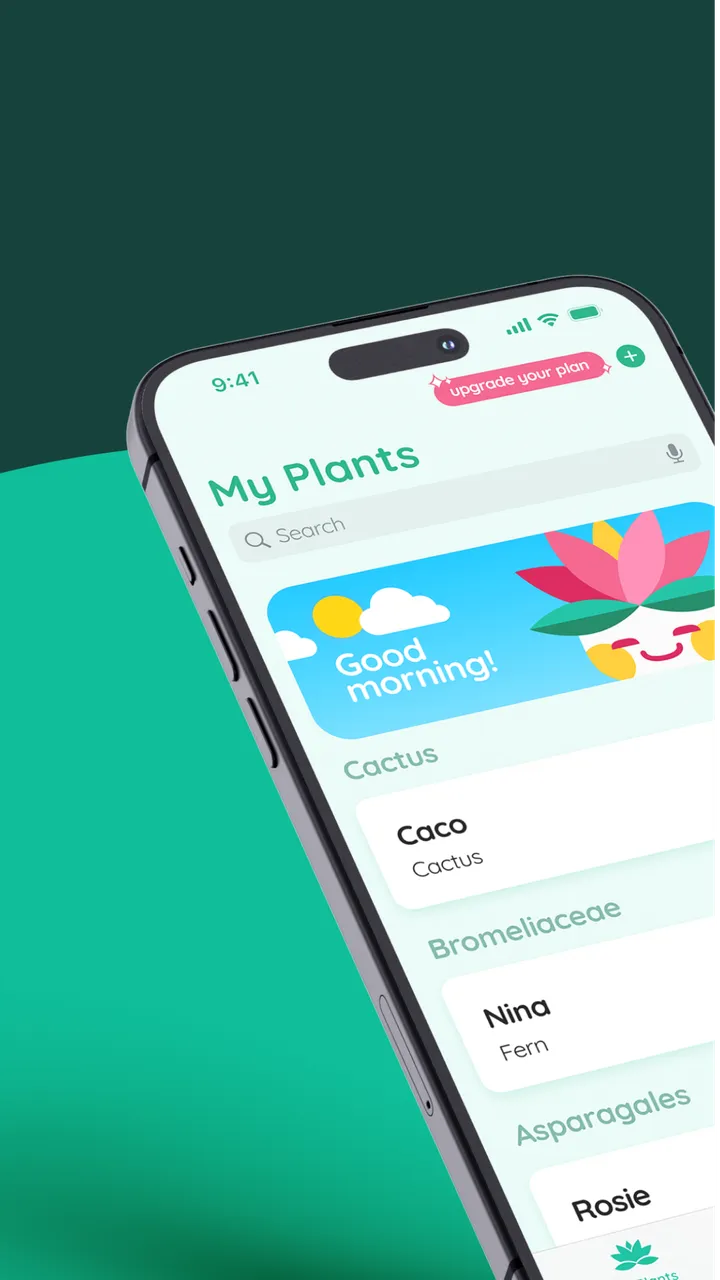

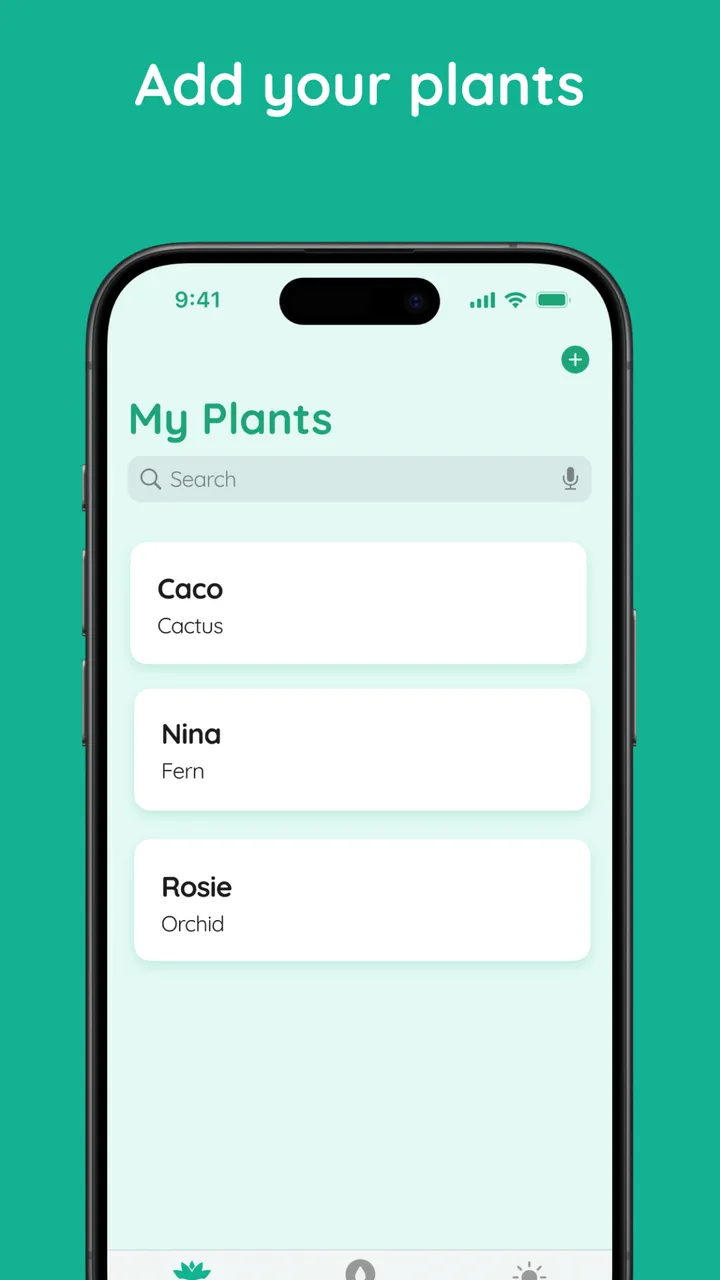
Overview
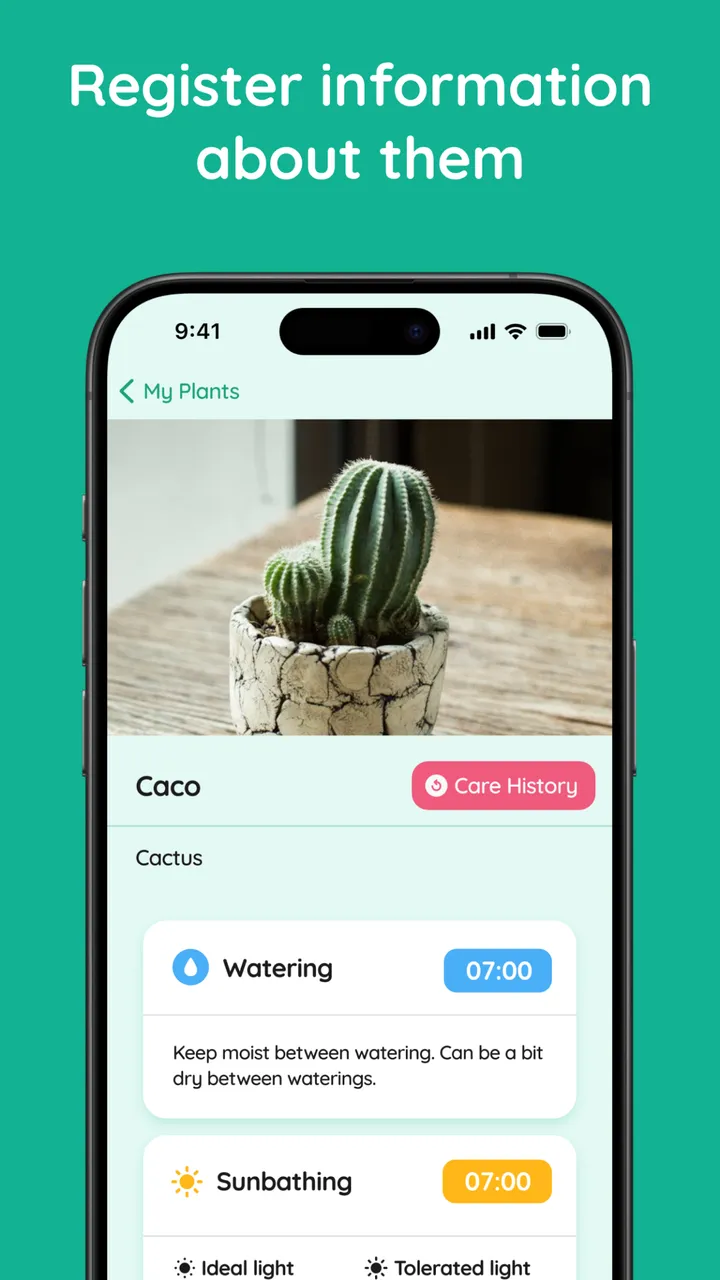
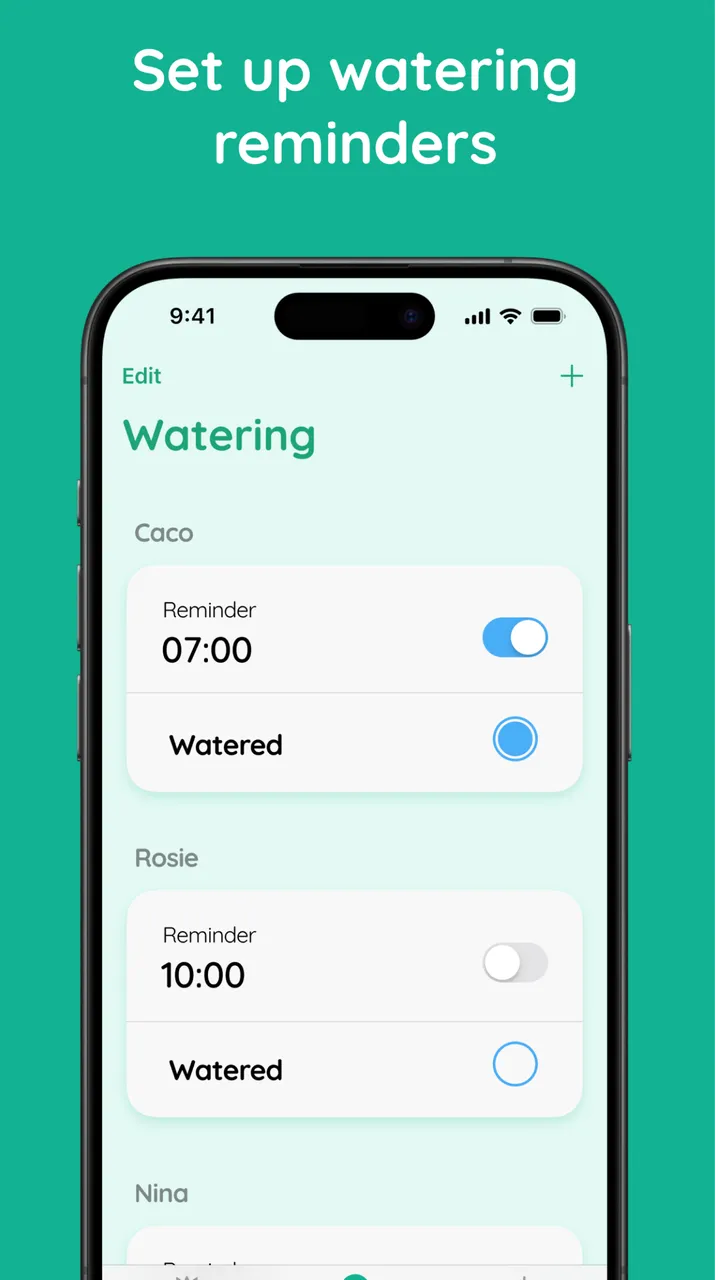
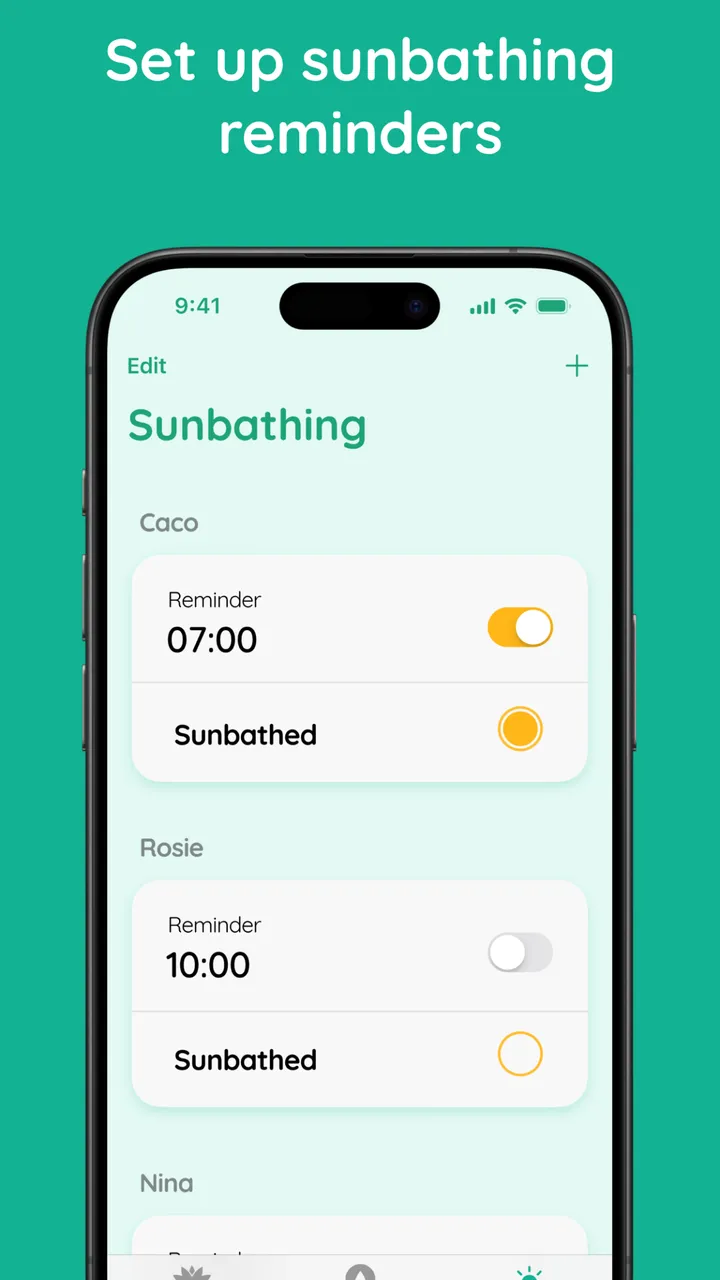
Hana chains two services into one flow: a vision API reads the photo and returns the scientific name, and a language model turns that name into the seven fields of a care sheet — water, sun, soil, pot, climate, toxicity, pet safety. The result is what the reminders are then scheduled from.
Problem
Care advice is only useful if it is advice for the plant you actually own, and most people cannot name theirs. Identifying the species first is what makes everything downstream specific instead of generic.
Trade-off
Both services are called straight from the client, with no backend in between. That left nothing to operate and nothing to keep running, and it made the editable species field double as a human correction inside the pipeline — the user fixing a name costs no extra code, because the field the vision API writes into is the same field the prompt reads from.
What it does
Stack
What I took from it
The interesting part of a two-model pipeline is the seam between them. Here the join is a field the user can see and edit, which is what keeps a wrong identification from silently poisoning the care sheet that comes after it.